

Preflex is a leading manufacturer and supplier of resins, adhesives, and coatings for the paint, packaging, wood, textile, and graphic arts industries.




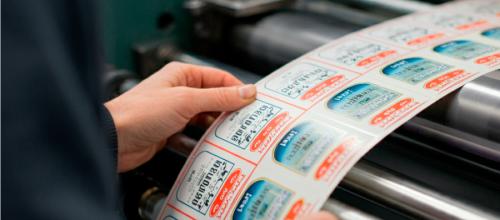
The Role of UV Varnishes
In today’s graphic arts industry, finishes are not simply an added element; they are a functional and visual extension of the printed message, with a direct impact on product perception and performance in demanding environments. In this context, UV varnishes are a technology that enables us to meet market demands.
Functional and Production Benefits of UV Varnish
Technical and Strategic Considerations
The use of UV varnishes should be evaluated not only from an aesthetic perspective, but also by considering aspects such as:
As a manufacturer, Preflex provides specialized technical support throughout these processes, helping customers select the most suitable varnish for each application.
The growing demand for graphic finishes with technical performance has transformed UV varnishes from an optional feature into a valuable tool for enhancing printed products.
For more technical information or support in application testing, the Preflex team is available to address the specific requirements of each customer.