
News

The Role of Textile Auxiliaries in Enhancing Fabric Quality

El papel de los Auxiliares Textiles en la mejora de la calidad de las telas

In the textile industry, the production process is complex and multifaceted, and each stage plays a critical role in ensuring that the final product meets the required quality standards. 

An essential part of this process is the use of textile auxiliaries, specialized chemicals that enhance material properties and optimize performance throughout the production process.

From fabric preparation to finishing, textile auxiliaries are essential for achieving stronger, more durable, and more aesthetically appealing fabrics.

What are Textile Auxiliaries?

Textile auxiliaries are chemical products used in various yarn and fabric processing stages. 

These products are applied to enhance specific fabric properties and to facilitate the spinning, weaving and garment manufacturing processes, ensuring high-quality apparel.

Textile auxiliaries may include detergents, leveling agents, buffers, fixatives, softeners, resins, and other specialty chemicals that enhance overall fabric quality.

 Key Roles of Textile Assistants

  1. Impurity Removal in Textiles
    In this process, detergents developed for different fibers are used to remove impurities such as seeds, gums, fats, and oils. This type of auxiliary is essential to the pretreatment process for all fibers.
     
  2. Color Matching
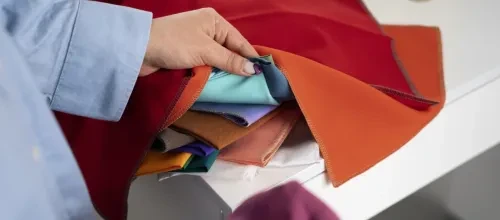
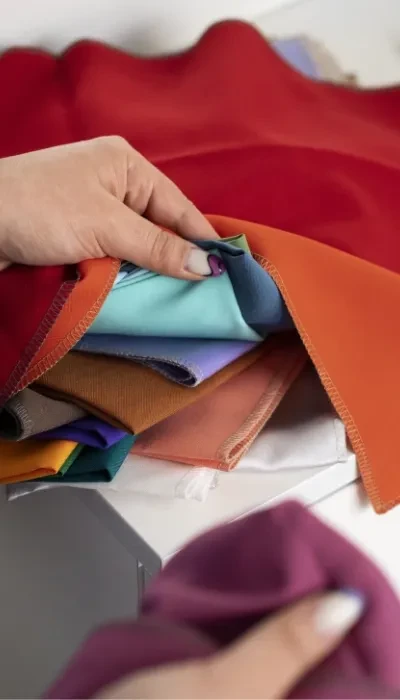
    Color Matching is a fundamental requirement in textile production. Achieving a perfectly uniform shade across an entire fabric or yarn requires precise control; therefore, the use of leveling agents is critical. These auxiliaries ensure even dye penetration, resulting in a flawless finish free from streaks or tonal inconsistencies.
     
  3. Enhanced Softness and Hand-Feel
    A primary objective of textile finishing is optimizing the "hand-feel" - the tactile experience of the fabric. By selecting the ideal softener for specific substrates and end-uses, we achieve a luxurious, supple, and smooth texture. These finishing agents are essential for enhancing the material's drape, ease of handling, and ultimate wearer comfort.
     
  4. Sizing and Strength
    Sizing is a process that increases fabric stiffness and body, improving appearance, and making materials easier to handle during sewing. Sizing auxiliaries are applied to reinforce the fabric structure, which is essential for products such as curtains and upholstery fabrics that require a firmer, more durable finish.
     
  5. Improved Color Fixation and Dye Stability
    Color and visual appearance are critical factors in the market acceptance of textile products. Color-fixing auxiliaries help ensure that dyes bond evenly and durably to fabric fibers.

This not only enhances color intensity, but also improves resistance to fading, washing, and light exposure. This is particularly important for products such as apparel and home textiles that are exposed to frequent use.

Benefits of Using Textile Auxiliaries in the industry

  1. Improved Quality: Textile auxiliaries enhance color, strength, fixation, and softness in yarns, fabrics, and garments.
  2. Greater Production Efficiency: They streamline manufacturing processes, reduce processing times, and optimize resource utilization, resulting in higher operational efficiency.
  3. Flexibility for Different Applications: They enable products to be adapted to different needs and markets, providing tailored solutions for industrial, fashion, home, and technical textile applications.
  4. Environmental Compliance: Many modern textile auxiliaries are developed to be more environmentally responsible, helping companies comply with sustainability regulations while reducing environmental impact.

The use of textile auxiliaries in industry is essential for improving the quality of the final product.

From softness and strength to color stability and advanced functionality, these chemicals play a critical role in the success of textile products in the market.

As the industry moves towards more sustainable and efficient processes, textile auxiliaries continue to be an indispensable tool for developing innovative, high-quality products.

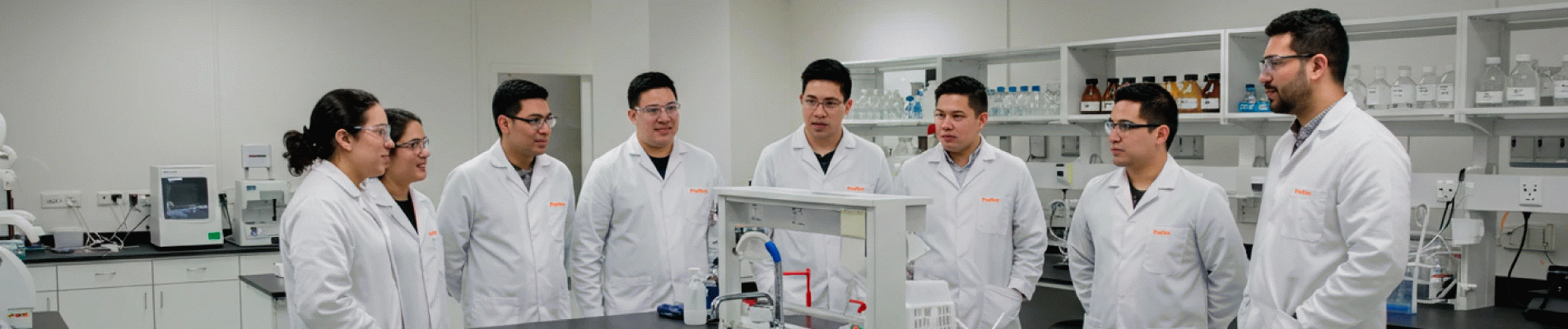
At Preflex, we are committed to providing advanced solutions in textile resins and auxiliaries that optimize every stage of the production process. Our goal is to help companies in the textile sector improve the quality and performance of their products.

We develop sustainable, high-performance solutions that enable the textile industry to innovate and remain ahead of the curve in an ever-evolving market.